Photographer's blog
The Photographer’s Journey: Enjoying What Doesn’t Go According to Plan
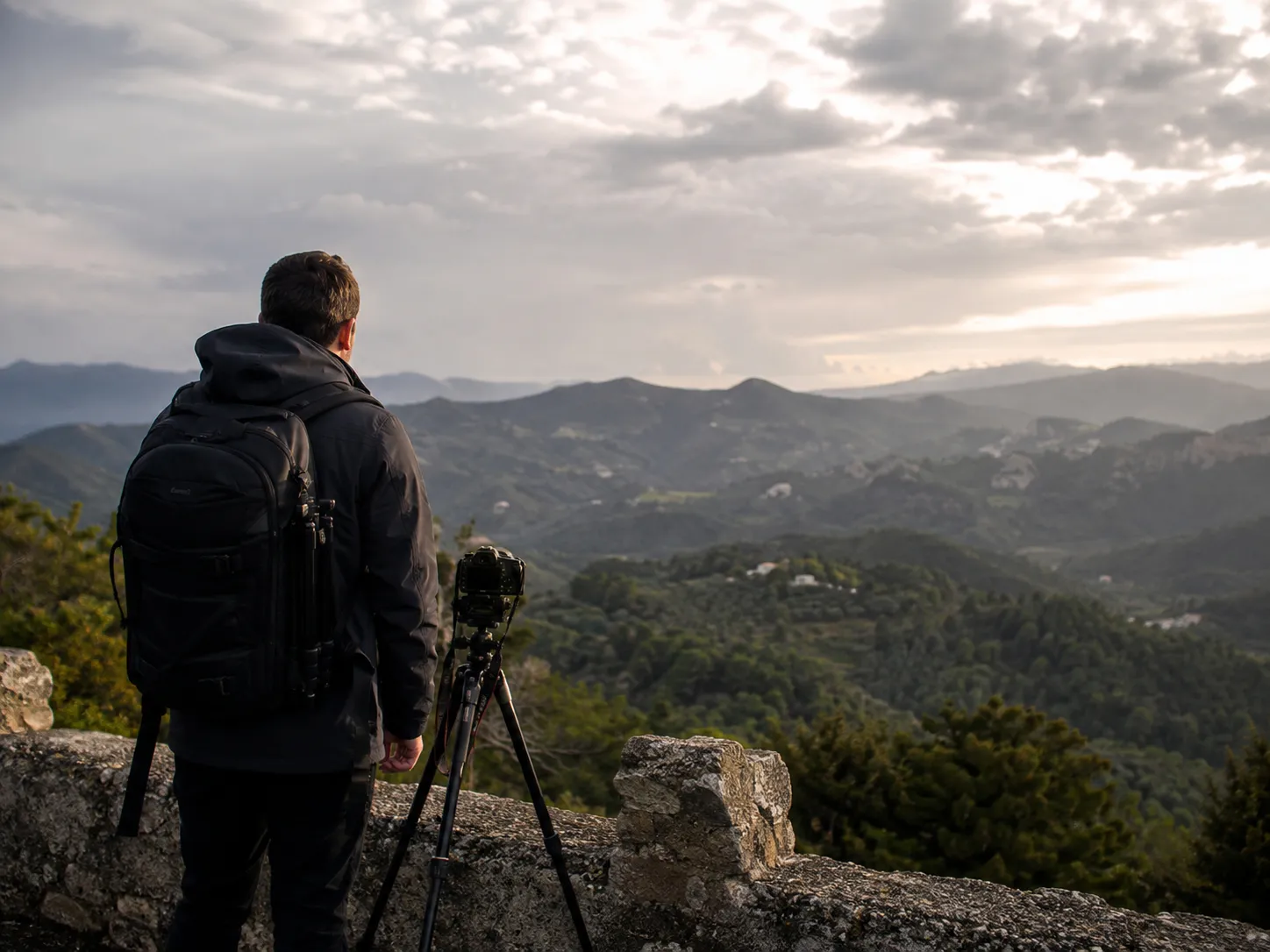
Behind every image are moments of waiting, hard work, unexpected challenges, and many decisions that are also part of the adventure.

Beyond technology: the experience, technique, and creative vision that turn an image into a lasting memory
We live in an age when everyone carries a camera in their pocket. Mobile phones have evolved remarkably, and thanks to artificial intelligence, they can produce highly attractive images at the touch of a button.
However, there is a fundamental difference between taking a photo and creating an image that can evoke emotion and stand the test of time.
When someone hires a professional photographer, they are not simply paying for a camera. They are placing their trust in the photographer’s experience, judgement, and ability to transform a unique moment into a meaningful memory.
Everything begins with light, the most important element in photography.
A professional does not simply consider whether there is enough light, but also its:
Knowing how to make the most of natural light or modify artificial light can completely transform the final image.
Composition is another essential aspect. Every element within the frame has a purpose.
Elements such as:
...help guide the viewer’s eye and strengthen the message of the photograph.
Good composition does not happen by chance; it is the result of technical knowledge and a trained eye.
Technology also creates important differences. Although mobile phones can produce very good results, they are still limited by the size of their sensors and lenses.
A professional camera can capture much more light information, resulting in:
greater dynamic range
less digital noise
more accurate colours
more natural textures
better performance in low-light or high-contrast situations
Interchangeable lenses add another level of creativity. Each focal length offers a different perspective, while each aperture allows the photographer to control depth of field optically.
While a mobile phone recreates background blur through algorithms, a dedicated lens produces it naturally, creating much more realistic transitions.
Another detail that often goes unnoticed is the RAW format.
This type of file preserves a large amount of information captured by the sensor and allows precise adjustments during post-processing, including:
All without compromising image quality.
For this reason, RAW is the format used by most professional photographers to obtain the best possible result from each image.
However, equipment is not everything.
Experience allows a photographer to anticipate situations that last only a moment. A spontaneous smile, the gaze of a wild animal, or the perfect light falling across a landscape can disappear within seconds.
Knowing when to wait and when to press the shutter is a skill that no automatic mode or algorithm can replace.
An equally important stage comes afterwards: digital post-processing.
Rather than simply applying a filter, this process involves interpreting the captured information and enhancing the photograph while preserving its natural appearance.
The aim is not to alter reality, but to convey the emotions and atmosphere experienced at that moment.
Technology will continue to advance, and mobile phones will keep improving. This benefits everyone who loves photography.
However, tools alone cannot replace:
Ultimately, a camera can capture a scene.
What turns that scene into a memorable photograph is the knowledge, sensitivity, and experience of the person behind the viewfinder.
That is where the true value of professional photography lies.
Explore our latest articles
Behind every image are moments of waiting, hard work, unexpected challenges, and many decisions that are also part of the adventure.

A practical guide to planning, shooting and delivering professional event photography

Why photographers in Spain need to combine personal recommendations with online visibility and a professional booking process