Photographer's blog
Why Do a Professional Camera and Photographer Still Make a Difference?
Beyond technology: the experience, technique, and creative vision that turn an image into a lasting memory
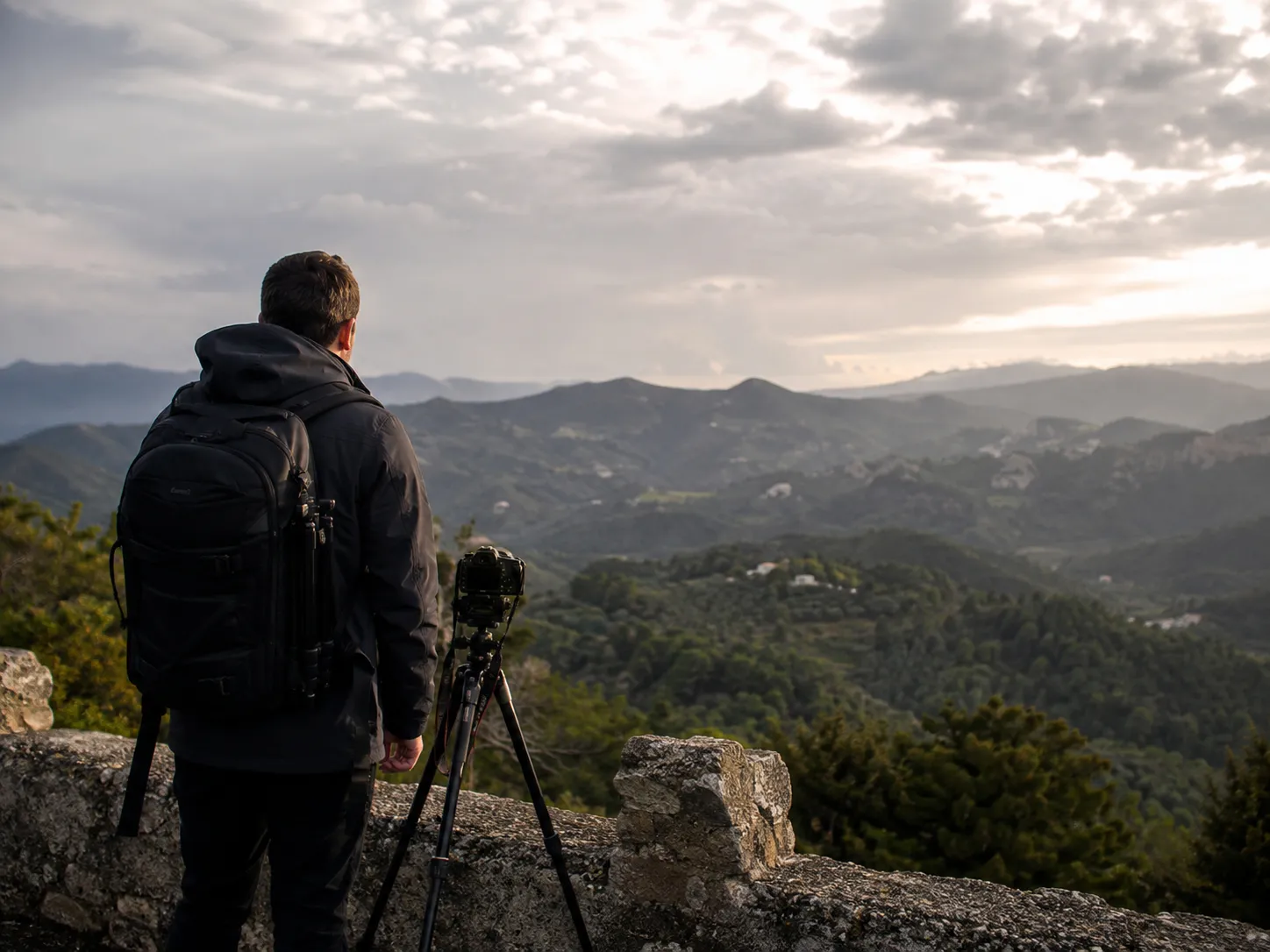
Behind every image are moments of waiting, hard work, unexpected challenges, and many decisions that are also part of the adventure.
When looking at a finished photograph or documentary, what is usually seen is only the final result. The landscape, the animal, the perfect light, or that moment that seems to have happened almost by chance. Everything looks polished and perfect.
But behind every image are many hours that never appear on screen.
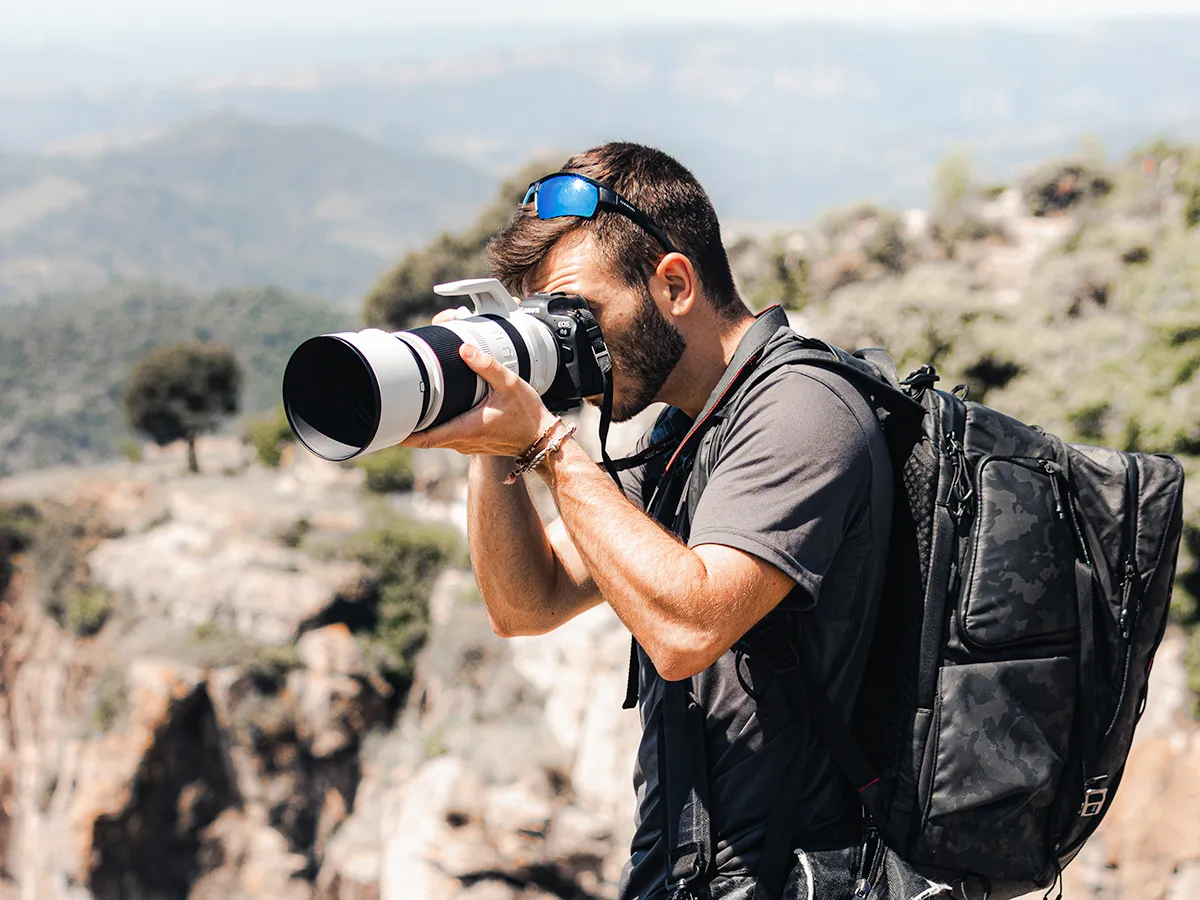
Recently, I found myself once again on one of those trips where photography and video become a real adventure. Travelling for days with all your equipment means carrying a camera, lenses, tripod, batteries, filters, stabiliser, drone, and everything else you might need to be prepared for any situation. And, of course, carrying it all from one place to another.
But it is not only the weight of the equipment that makes a photography trip demanding.
You have to get up early to arrive before sunrise, drive kilometres along paved and unpaved roads, and spend long hours waiting for weather or light that never comes. The wind may pick up when you need calm conditions, clouds may appear when you are hoping for sun, or a storm may arrive when you had planned to film for hours.
And then there are the animals.
You can spend hours waiting for a particular species to appear, and it simply does not. You may find its tracks, hear it nearby, or know that it is there, but still fail to get the shot you had planned.
That is precisely where I believe one of the most beautiful (and most difficult) parts of being a photographer lies: learning to adapt.
Photography teaches you that you cannot control everything. You can plan a location, study the weather, calculate the light, and carefully prepare your equipment, but there will always be something that escapes your plans. Instead of becoming frustrated, you have to learn to observe what the moment is offering you.
Maybe the animal you were looking for does not appear, but you discover a landscape you had never imagined photographing. Maybe the sky changes and the light becomes completely different from what you expected. Maybe a road that initially seemed like an inconvenience ends up taking you somewhere you would never have discovered otherwise.
Over time, these difficulties stop being simply obstacles and become part of the adventure.
Even so, there is also a huge reward in all of this. There are moments when, after hours of waiting, the light appears exactly as you hoped. An animal crosses in front of the camera and almost seems to pose. The landscape transforms for a few minutes into something perfect, and then you understand why you carried all that equipment, why you got up so early, and why you travelled so many kilometres.
These moments may be very brief, but they feel special precisely because you know everything that happened behind the scenes.
When the trip finally ends and you return home, there is still another part of the process that often remains invisible to those who only see the final result – editing.
Returning home does not mean the work is finished. In fact, another stage begins. Coming home does not mean the work is finished. In fact, another stage begins. You have to download and organise hundreds or thousands of photographs and videos, select the material, make backups, process the images, correct the colour, edit the sequences, work on the sound, review the footage, and build a story that makes sense.

One week of travelling can easily turn into four weeks of editing. Two weeks of filming may require a month and a half or even two months (sometimes more) of work in front of a computer.
It is a much less adventurous part of the process, but just as important. This is where everything experienced during the trip starts to become a tangible story.
The final result is not simply a collection of beautiful photographs or a video. It is also the experience the photographer takes away from having been there, from waiting, making mistakes, changing plans, driving for hours, and taking advantage of the opportunities that appeared along the way. That is the experience that really helps you grow.
Being a photographer or videographer (or both) while travelling is not about making sure every shot turns out perfectly.
It is about being prepared and knowing how to react when something unexpected happens, but also about learning to enjoy the journey when things do not go as well as you had hoped.
Because adventures have always been full of uncertainty.
Explore our latest articles
Beyond technology: the experience, technique, and creative vision that turn an image into a lasting memory

A practical guide to planning, shooting and delivering professional event photography

Why photographers in Spain need to combine personal recommendations with online visibility and a professional booking process