
Business & event photography
Event Photography in Spain: What Clients Expect Before, During and After the Event
A practical guide to planning, shooting and delivering professional event photography
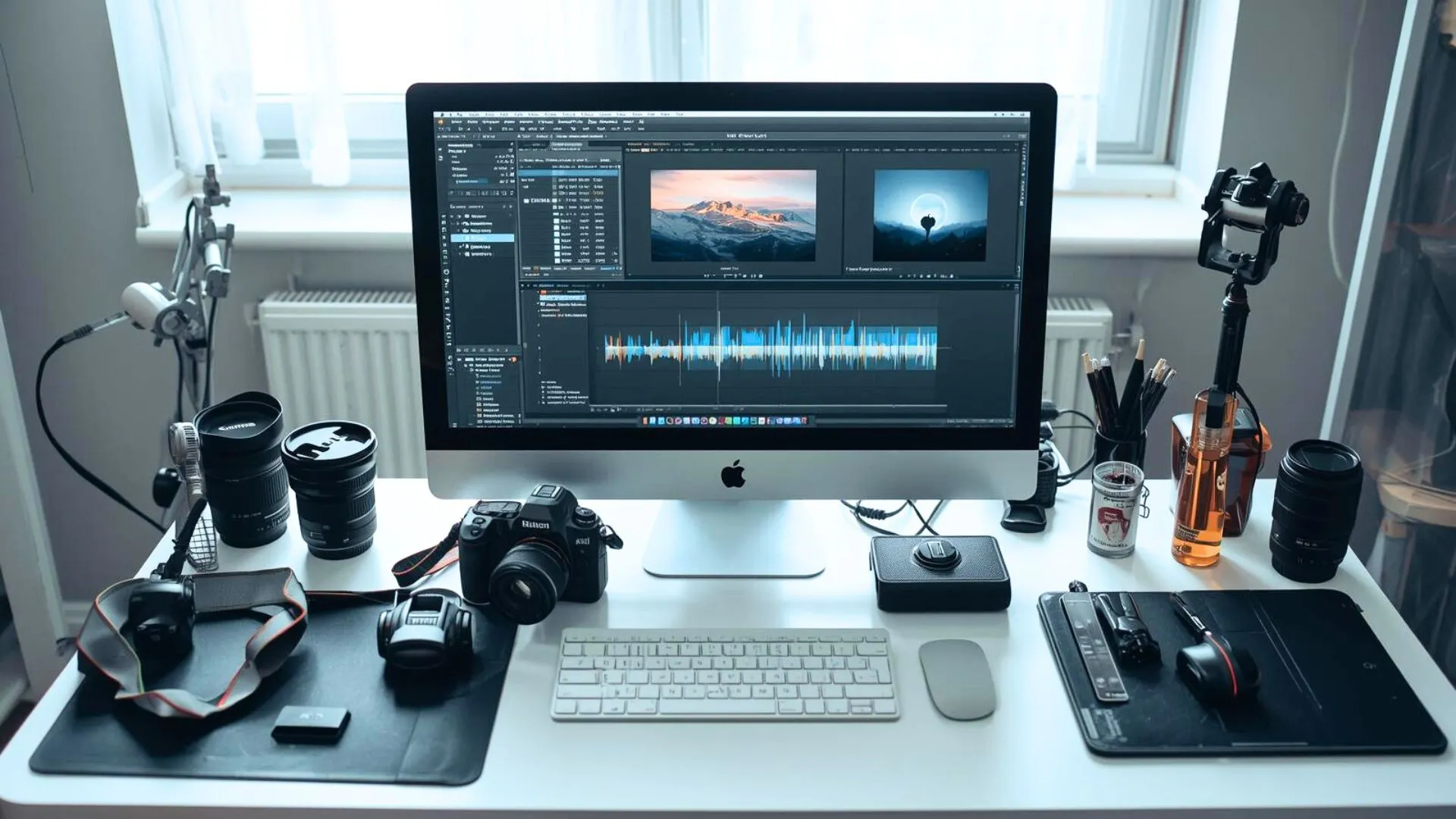
What Truly Makes You a Professional
Let’s be honest: we all love gear. GAS (Gear Acquisition Syndrome) is real, and opening a brand-new box feels great. But there’s a key moment when photography stops being an expensive hobby and becomes what pays your mortgage. And right then, the conversation about which camera to buy changes completely.
Think about it for a second. A marketing director or nervous newlyweds don’t care whether your sensor has 60 megapixels or whether eye-tracking can lock onto a hawk in flight. They care about one thing – that you deliver high-quality work. That you don’t fail. The difference between a top amateur and a professional isn’t the camera – it’s the confidence and reliability in how you work.
Forget the specs on the box. Let’s talk about what really matters: reliability, workflow, and making sure the numbers add up.
Here you need to be practical. If your main camera has only one card slot, you’re taking a real risk. If the card fails, you can lose the entire job, the client’s money, and your reputation as a professional.
SD cards die. CFexpress cards, no matter how expensive, can corrupt. That’s why the minimum recommendation for professional work is a camera with two card slots and automatic backup enabled: every photo is written to card 1 and, at the same time, to card 2. If one fails, you have an immediate backup.
Then there’s the famous “B body” (a second camera). Imagine your camera falling or stops working right before an event starts. What do you do? Without a second body, you can’t continue. A backup camera isn’t a luxury, it’s how you ensure you can deliver the job no matter what happens.
One more basic detail – carry extra batteries. Modern cameras use a lot of power, and running out of battery mid-shoot is not an option.
Camera bodies lose value faster than a car the moment it leaves the dealership. Good lenses, on the other hand, can stay with you for many years.
For most work (events, corporate, press), two zoom lenses cover almost everything: the 24–70mm f/2.8 and the 70–200mm f/2.8. They are your workhorses – versatile, fast, and sharp. They let you adapt when you can’t move around or don’t have time to reposition.
Then comes the “personal touch.” Prime lenses often create images with more character: stronger background blur and a more “premium” feel. An 85mm f/1.2 (ideal for portraits) or a bright 35mm (great for environmental portraits and documentary work) gives you that texture and separation that screams “editorial.” The key is knowing when to rely on the safety of a zoom and when to choose a prime to create something more special.
If you shoot in a studio, product, or e-commerce, checking the tiny LCD screen on the camera is no longer enough.
The client, art director, or makeup artist needs to see what’s happening in real time on a big screen. And it’s not just about “seeing the photo”, it’s about confirming focus, keeping color consistent, and making sure framing and lighting work. A good cable and software like Capture One (or an equivalent) help you work with more control and communicate professionalism.
An amateur looks for beautiful light. A professional creates it when it doesn’t exist.
For demanding shoots, small speedlights may not be enough if you need power. A common solution is battery-powered strobes (for example, Godox AD or Profoto) that let you light properly even outdoors. But the secret isn’t the flash – it’s the modifier. A well-placed 120cm octabox or a beauty dish can produce more flattering light and a more “magazine-level” result.
Nobody gets excited about buying hard drives or tripods, but they are the foundation of a serious business. A solid tripod reduces vibrations and improves precision, especially for product work. And a color chart (like a ColorChecker) helps you nail tones from the start and saves a lot of editing time.
Remember the 3-2-1 rule: if your photos aren’t in three places, they’re not safe. You need fast SSDs for editing on location, a RAID system in the office for storage, and a cloud backup or a physical drive kept outside the office.
* * *
In the end, defining “professional gear” is an exercise in pragmatism. The best gear is the kind that becomes invisible in your hands – the gear that works without problems and lets you focus on directing the subject or capturing the moment.
At FotoNEX, we believe investing in gear is investing in your reputation. Clients hire you for your vision, yes, but they call you again because you’re reliable.
Explore our latest articles
A practical guide to planning, shooting and delivering professional event photography

Why photographers in Spain need to combine personal recommendations with online visibility and a professional booking process
Make Your Urban Photos Level Up